10 Best Facebook Pages Of All Time About Repair Timber Windows


How to Properly Maintain and Repair Timber Windows
Many old buildings have beautiful windows made of wood. If they aren't regularly maintained and painted they could be damaged and stop working properly.
It is possible to repair rotting wood in timber window frames and it can be quite straightforward using the correct methods. There are a variety of methods for treating rot, some more effective than others.
Examine the overall condition
As time passes, windows made of timber will begin to decay because they are exposed to the elements and humidity in your home. If unchecked, this can cause rot in the timber - and that's not good.
If you notice that your windows made of timber have begun to deteriorate, it's imperative to act swiftly. In the absence of action, rotten timber will make it worse over time especially when winter comes around. Fortunately, double glazed window repairs near me 's not difficult to fix timber windows, even if they're poor condition. It's just a matter of investing more time and effort.
When assessing a window's general condition, it is important to take into account the fact that various repair methods are appropriate for different situations. Repairing rotten timber sections in the frame of your window can be accomplished by splicing new wood into the frame. However, this technique is only recommended if the damaged part of your window is not too big. If the section that is rotten of your window is too big it could be required to replace the entire sash.
The first thing that you'll need to do is to thoroughly inspect the condition of your wooden windows. You should be looking for signs of rot and damp and damage to the sills and frame. Ask a professional to inspect your timber windows if you aren't sure what to look for.
Wear protective gloves while working in this. Broken and splintered window glass can pose a risk. It is also recommended to have an appropriate ladder and someone to help you steady the ladder.
One of the main reasons that timber windows will begin to decay is because they're exposed to penetrating damp in your home. The penetration of moisture can cause windows to rot and result in more serious issues like wet or dry decay. It is essential to have your windows fixed whenever you suspect they are impacted by the penetration of moisture. This will prevent further damage to the windows and protect your home against damp and mold.
Cleaning the Frames
Timber windows are durable and durable, but they must be cleaned and maintained on a regular basis. If you don't do this, they can start to deteriorate in appearance and functionality. This can lead to rot or mould growth and the need for repairs.
A good place to start cleaning your timber window frames is to clean them with a damp cloth and some washing up liquid. This will help to remove any dirt or dust that has accumulated on the frame. If you notice any marks or stains that don't go away, you can use a soft brush with only a little bit of water and washing up liquid to gently scrub them away.
It is also recommended to clean the glass panes and handles and hinges. When the frames are clean you can begin making any repairs or renovations that you may require. For instance, if hinges have become loose or the silicone around them has begun to pull away, this needs to be fixed as soon as possible to avoid further damage.
After the splice or filler has dried, it's essential to lightly sand the surface before painting. This will smooth the surface and create a uniform appearance. It is recommended to make use of a stain or varnish made of wood that is designed specifically for timber windows. They will give you the most durable protection and finish.
After your timber windows have been sanded and painted it's an ideal idea to seal the edges with an oil-based sealant that is waterproof. This will prevent moisture from getting in and damaging the timber over time.
After the window has been completely sanded, it's now time to paint. It's a good idea to paint on a clear day when there's no wind or rain in the forecast. You should also choose an exterior grade stain or paint that is suitable for wood. Once the paint is dry you can lightly sand it again with some fine sandpaper, and then remove any dust to ensure your windows look great.
Fill any Cracks
Water intrusion can cause rot in the timber of windows made of timber. It is therefore crucial to maintain the paint. Cracked and blistered paint allows water to penetrate, which can accelerate the deterioration process. This is particularly true in the winter months when water freezes and breaks down wood fibres, leading to the wood to warp and rot. Utilizing modern timbers such as Accoya (which doesn't expand or contract as much) and coatings designed to cope with this, will provide you with a long service life from your windows.
It is also important to fill any cracks in your frames as soon as they appear, since neglecting them can result in the development of rot. Use a filler designed for exterior use to fix any flakes, splinters, or small splits you may find in your frames. Apply it generously to the affected area. This will not only seal in moisture, but also aid to strengthen your frame.
In certain situations, it may be necessary to replace a section of the timber frame due to rot or damage. A skilled carpenter can replace the section of damaged wood with a new well-seasoned and well-seasoned piece. It is recommended to allow the new splice be treated with a dry-rot treatment prior to being placed into the frame. This will prevent further rotting, and will add strength to the frame.
Once the splice has been glued and left to be set, you can smooth the repaired area to its original size making sure it's aligned with the frame. It is helpful to have different grades of sandpaper available, ranging from coarse to a smoother final finish.
It is worth remembering that timber windows are a lot more expensive to repair than their plastic and metal counterparts. It's crucial to evaluate the overall condition prior to taking on any major work. If you see a lot of rot in the frame, it's best to replace the entire frame rather than attempt to repair and re-glaze each part.
Paint
Timber windows provide style, character and charm to older properties and can also give the charm of a cottage to newer homes. They are generally considered to be more appealing than uPVC or aluminium windows but they do require more attention as natural wood is prone to damage and can also react to different weather conditions in a sporadic manner. If left unattended, timber windows like sash and casement will begin to deteriorate quickly and may eventually require replacement. Regular painting and a careful repair can extend the life of your wooden windows.
First, you will need to take off the old paint. A power stripper is usually suggested, but you can make use of an old-fashioned paint scraper or wire brush too. After the paint has been removed, you'll need to sand down the wood. This will allow for a smooth finish and help prevent any dampness getting into the wood and leading to the wood to rot.
Once the sanding process is completed, it's time to start painting. It is best to paint during a sunny and dry day, so that the paint can dry quickly. Begin with the difficult-to-access areas and work your way up the entire window frame. Be careful not to touch the sash area or sill as it can cause the oil based putty peel off.
You'll need to leave the sill and sash area to dry for a minimum of 2 weeks - the ideal is a month. If you rush through this process the putty won't be able to dry and your window will be less durable.
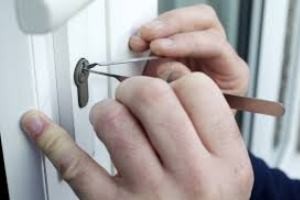
While you wait for the sill and sash to dry, you should consider taking a look at all the hardware. Pay particular attention to the hinges as well as the lock levers and the lift pulls. To ensure that they work properly, you'll require realignment and lubrication. It's also recommended to glue any joints that have become loose, and use a durable external-grade adhesive on new joints.
It's expensive to replace timber frames, so take a look at their condition before making the decision to buy new frames. Renovation may be the better option if you see significant wear and tear or rotting timber. It's not cheap, but it is much cheaper than the total cost of replacing your old windows.